Last month, one of the scholars I’m lucky to work with at Brown University co-authored a working paper about a topic close to my heart: the roles teachers play in ensuring success for the next generation.
The paper actually manages to quantify the difference good teachers can make in their students’ lives by drawing on data from the National Longitudinal Study of Adolescent to Adult Health, a survey conducted with 20,000 people through their teen years and into adulthood.
The study found that teens who said they had formed a positive relationship with an educator at school — a teacher, a counselor, a coach — earned slightly higher grades and failed fewer classes. And even more important, those students had a much higher chance of attending college. While 51% of those who didn’t have a mentor in school ended up attending college, those who did have a school mentor were at least 9 percentage points more likely to go to college.
Reading that finding immediately transported me back to a specific desk in a specific classroom at my public high school. I remember my binder, neatly decorated filled with Spanish verb conjugations, bilingual dad jokes and all the semester’s vocabulary quizzes and essay assignments I had meticulously filed away for reference. I remember the rat-tailed boy in front of me who always spoke his mind, sometimes struggled with pronunciation and occasionally poked fun at my Pollyanna-ish manners in class. I remember feeling self-conscious yet secretly overjoyed when, every week, we were all cajoled into singing “De Colores” and “Chan Chan.”
I remember all of this so clearly because I sat in the same desk, in the same classroom, behind the same rat-tailed boy, every week for three years. The woman at the front of the room became more than my Spanish teacher in those three years. She became a valued source for advice, academic and otherwise. She became the grammar reference guide I needed when my English teachers didn’t come through. Her classroom was a safe haven on days when I needed somewhere quiet and sympathetic to sit.
My Spanish teacher also became a friendship matchmaker: that rat-tailed boy became a man whom I count among my closest friends, in part because she saw how we clicked and nudged us closer together.
“She is still a part of my conscience,” my friend admitted in a text message to me today. That rang true to me: Years later, l remember how she’d shake her head disapprovingly when my words or behavior didn’t meet her lofty expectations. I heard her voice in my head, admonishing me, when I procrastinated on assignments at home or insulted a classmate in the quad. I wanted to be a more driven and considerate person, every day, just to make her proud.
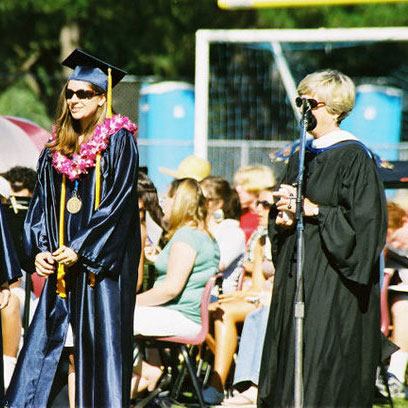
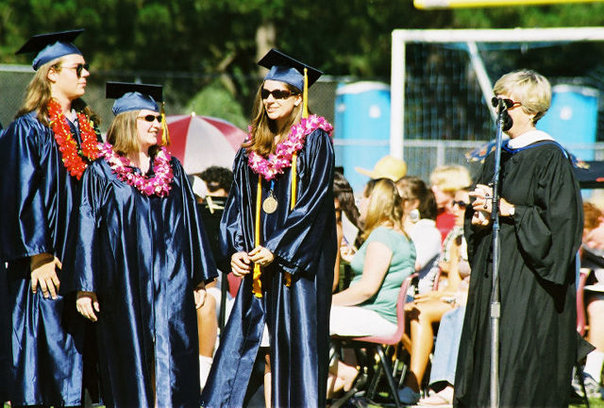
My high school Spanish teacher wasn’t the prime reason I went to college; thanks to my parents’ influence, I had my sights set on higher education from an early age. But I know that for peers with different backgrounds — about a third of the students at my school came from low-income households and did not speak English at home — teacher-mentors like her often proved crucial to their success after college. She was one of those teachers who spotted students’ enthusiasm and passion and knew how to harness it. She made self-conscious students aware of their full potential. She set aside time to proof college essays, write recommendation letters and lend a sympathetic ear when things were tough at home. Good teachers like her are the reason people call education “the great equalizer.”
Gracias por toda su ayuda, maestra. May all teens find a guiding light like you.

